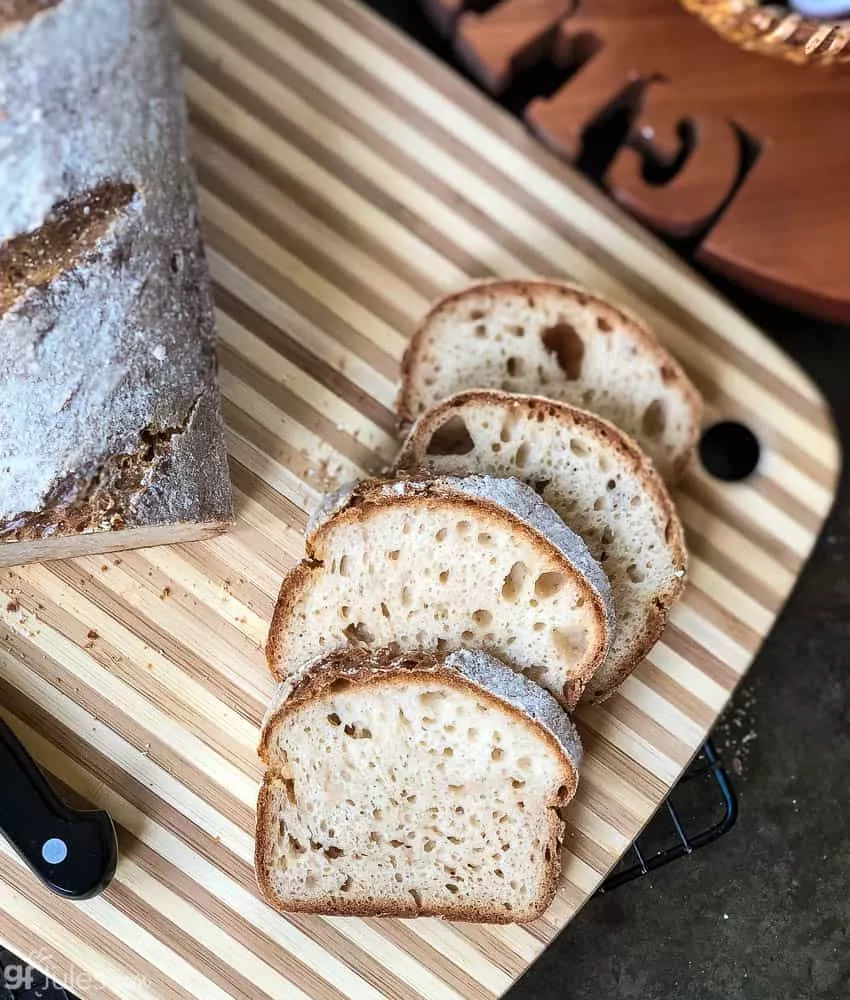
The Quest for Sourdough Perfection: Demystifying Your Baking Setup
There's a unique satisfaction in pulling a perfectly baked, crackly-crusted sourdough loaf from your oven. The aroma, the texture, the deep flavor – it's a testament to patience, skill, and of course, the right equipment. As sourdough continues its reign as the most beloved bread, aspiring and seasoned bakers alike often ponder the question: what exactly is the essential equipment for sourdough bread baking?
From humble home kitchens to dedicated bakeries, the tools of the trade can vary wildly. The good news? You don't need a professional setup to achieve stellar results. Whether you're a beginner with budget or space constraints or an ardent enthusiast baking multiple loaves a week, understanding your options for pans, ovens, and other vital tools will empower your sourdough journey. Let's delve into what truly makes a difference.
The Heart of the Bake: Pans and Baking Vessels
The vessel you choose for baking your sourdough plays a critical role in controlling steam and heat, two elements paramount to achieving that coveted oven spring and a beautiful, caramelized crust. Luckily, you have several excellent options, and even gluten-free sourdough can thrive in nearly any of them.
The Indispensable Dutch Oven
For many home bakers, the cast iron Dutch oven is the undisputed champion. Its heavy construction and tight-fitting lid create a self-steaming environment, mimicking the conditions of a professional bread oven. This trapped steam prevents the crust from forming too quickly, allowing the dough to expand maximally (oven spring) before drying out and developing that signature crackle. They are incredibly versatile, working wonders for traditional and gluten-free sourdough recipes alike. Expect to invest anywhere from $50 to $300 for a quality Dutch oven, a worthwhile expense given its durability and performance.
- Benefits: Superior steam retention, even heat distribution, excellent for achieving great oven spring and crust development.
- Tips: Always preheat your Dutch oven thoroughly in the oven before carefully transferring your dough. This initial blast of intense heat contributes significantly to spring.
Modern Alternatives: Baking Shells and Domes
Beyond the classic Dutch oven, modern innovations offer compelling alternatives. Baking shells or domes, often made from ceramic or a combination of materials, provide a similar enclosed, high-steam environment. Some popular designs feature a heavy lid that sits directly on your baking surface or a cloche-style dome that covers your dough. These are often lighter and easier to handle than a traditional cast-iron Dutch oven, with some models weighing as little as a pound. They are available in various shapes, such as boule (round) or batard (oval), allowing you to tailor your bake to your preferred loaf shape. They offer comparable results to a Dutch oven by creating that essential steamy microclimate.
- Benefits: Lighter weight, easy handling, excellent steam retention, available in different shapes to match your desired loaf.
- Considerations: Prices can vary, and material composition (ceramic, cast iron lid with steel base) can influence heat retention and durability.
Baking Without a Pan: The Open Bake
While an enclosed vessel is highly recommended for beginners to control steam, it's certainly possible to bake sourdough without a pan. An open bake typically involves baking directly on a preheated baking steel or stone. However, to achieve good oven spring and a crispy crust, you'll need to introduce steam into your oven manually. This can be done by spraying water, placing a pan of hot water on the bottom rack, or adding ice cubes to a hot tray at the start of the bake. This method requires a bit more finesse and an oven that can retain steam well. Many bakers who perform open bakes do so within the confines of a high-performing dedicated bread oven, where steam injection is an integrated feature.
The Heat Source: Home Ovens vs. Dedicated Bread Ovens
Your oven is, naturally, a crucial component of the sourdough baking process. For most home bakers, a standard kitchen oven is more than adequate, especially when paired with a good baking vessel. However, for the truly obsessed, a dedicated bread oven offers distinct advantages.
Your Trusty Home Oven: A Solid Foundation
For beginners and even many experienced home bakers, your standard kitchen oven is perfectly capable of producing beautiful sourdough loaves. You do not need a specialized bread oven to make great sourdough. By utilizing a Dutch oven or baking shell, you effectively create the ideal baking environment directly around your dough, compensating for the home oven's less efficient steam retention. This keeps costs down and avoids the need for additional space or complex electrical installations.
To get the best out of your home oven: preheat it thoroughly and for a sufficient amount of time (often 45-60 minutes) to ensure uniform heat saturation, especially if you're preheating a heavy Dutch oven inside it.
The Dedicated Bread Oven: An Investment for Enthusiasts
If you're deeply passionate about bread and find yourself baking multiple times a week, a dedicated bread oven might be a worthwhile investment. These appliances are designed with the specific dynamics of bread baking in mind, offering superior consistency and results, batch after batch.
- Key Benefits:
- Superior Bread Quality: Achieve unparalleled crumb, texture, and consistency due to precise heat and steam control.
- Optimized Steam Retention: Many models offer integrated steam injection, delaying crust formation for maximum oven spring and a perfectly crackly crust. Even without active injection, their design traps steam far better than a home oven.
- Consistent Heat Dynamics: Designed to hold high temperatures even after loading dough and to facilitate the typical bake profile (hot start, gradual temperature drop).
- Increased Capacity: If you're scaling up production for cottage baking, you'll quickly outgrow a standard home oven. Bread ovens offer significantly more baking space.
- Cost and Size Considerations:
- Price Tag: Countertop models start around $500, but quality bread ovens with integrated steam can range from $3,000 to over $9,000. Compare this to a Dutch oven's $50-$300.
- Space Requirements: These ovens are substantial, often the size of a washing machine or taller, requiring a dedicated space in your home.
- Electrical Needs: Most dedicated bread ovens require 240V power, similar to an electric range or dryer. This often necessitates a licensed electrician to install a dedicated circuit, and in older homes or apartments, may even require upgrading your electrical panel, which is a significant additional expense and might not even be feasible.
While certainly impressive, dedicated bread ovens are not necessary to make a beautiful loaf of bread. They are an advanced tool for those looking to perfect consistency and scale production, and the significant financial and logistical commitment means they are best suited for truly obsessive bakers. For a deeper dive into whether this investment is right for you, explore our article: Sourdough Bread Oven: Essential or Overkill for Bakers?
Beyond the Bake: Other Essential Sourdough Tools
While pans and ovens handle the crucial baking phase, other tools support the entire sourdough process, from mixing to proofing to scoring. These items are the silent workhorses that streamline your workflow and contribute to repeatable success.
- Digital Kitchen Scale: Precision is paramount in sourdough. Weighing ingredients ensures consistent hydration and results.
- Banneton (Proofing Basket): These baskets (made of cane, plastic, or even fabric-lined bowls) help your dough maintain its shape during the final proof, providing support and creating beautiful flour patterns on the crust.
- Dough Scraper/Bench Knife: Indispensable for handling sticky dough, dividing, and cleaning your work surface.
- Lame (Scoring Blade): A sharp blade is crucial for making clean scores on your dough, directing oven spring and adding artistic flair.
- Large Mixing Bowls & Proofing Containers: Essential for initial mixing, bulk fermentation, and keeping your dough happy.
These supplementary tools complete your arsenal and elevate your baking experience. To explore a comprehensive list of these and other handy gadgets, from budget-friendly buys to pro-level gear, check out our guide: Essential Sourdough Equipment: Budget Buys & Pro Tools.
Bringing It All Together: Your Sourdough Setup
Baking perfect sourdough is an incredibly rewarding endeavor, and understanding the essential equipment for sourdough bread baking is a significant step on that journey. Remember that while a professional bread oven can offer distinct advantages, magnificent sourdough is absolutely achievable with a standard home oven and a well-chosen baking vessel like a Dutch oven or baking shell. Start with the basics, master your technique, and allow your passion to guide any future upgrades. The true essence of great sourdough lies not just in the tools, but in the baker's dedication, patience, and willingness to learn with each delicious loaf.
